All Categories
Featured

Benefits of Fixed and Variable Annuity Plans
Table of Contents
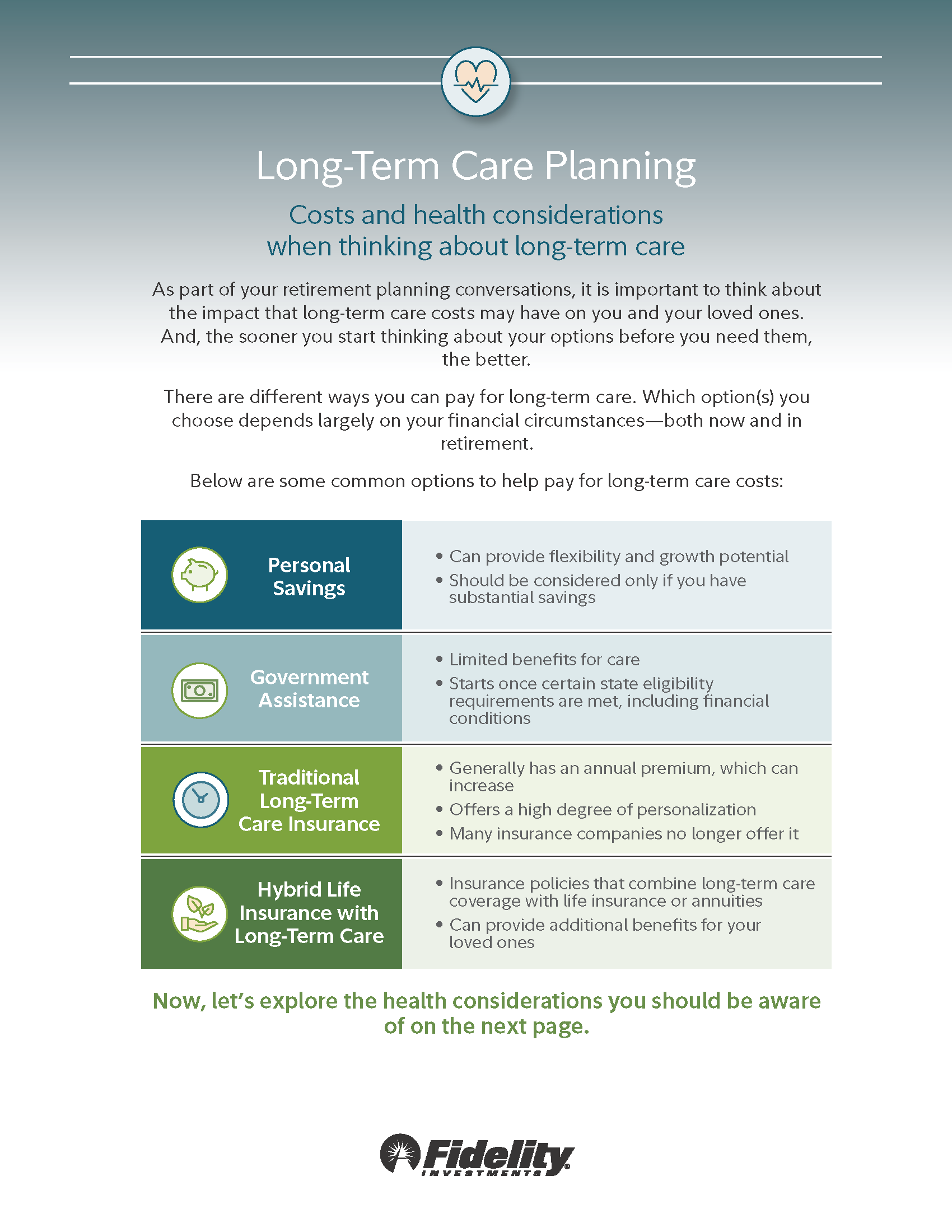
Every policy has information that can make a huge distinction. Look for: Removal periods (the waiting duration before benefits kick in) Surefire renewability (so your protection can't be canceled if your health changes) Nonforfeiture options (to retain some value if you cancel the policy) Take the time to examine all terms, conditions, and exemptions.
The small print frequently covers provisions about how and when your benefits are paid, any limits on coverage, waiting periods before benefits kick in, and whether your premiums could increase over time. These pointers can help you find the long-lasting care insurance that suits you best When preparing for retirement, many people focus on saving enough to replace lost income.
Long-lasting care insurance coverage assists cover those costs, protecting your finances and providing comfort in retirement., we understand that the expense of long-lasting care can be a significant issue. That's why we provide versatile, tailored care alternatives, so you just pay for the level of support your liked one genuinely needs, whether it's for a couple of hours, a week, or longer.
Senior Income Planning Using Life Insurance
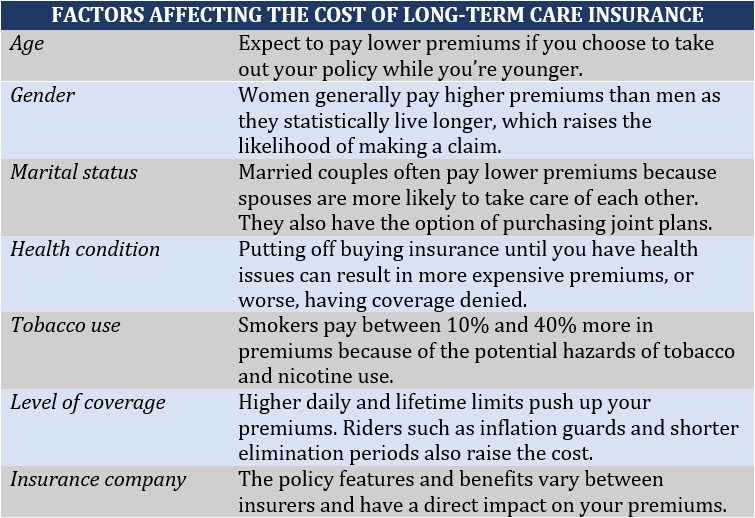
This helps you manage costs while guaranteeing your loved one gets safe, reliable care. Here's a quick look at how long-lasting care insurance changes with age: $1,200$3,700 each year $2,075$6,600 annually $3,600$12,375 each year (greater risk) The best time to purchase long-lasting care insurance coverage is normally Long-term care insurance coverage premiums are based upon your age and health at the time you apply.
Vaccines are a fundamental part of healthy aging and these guides can assist you understand which one's matter most:.
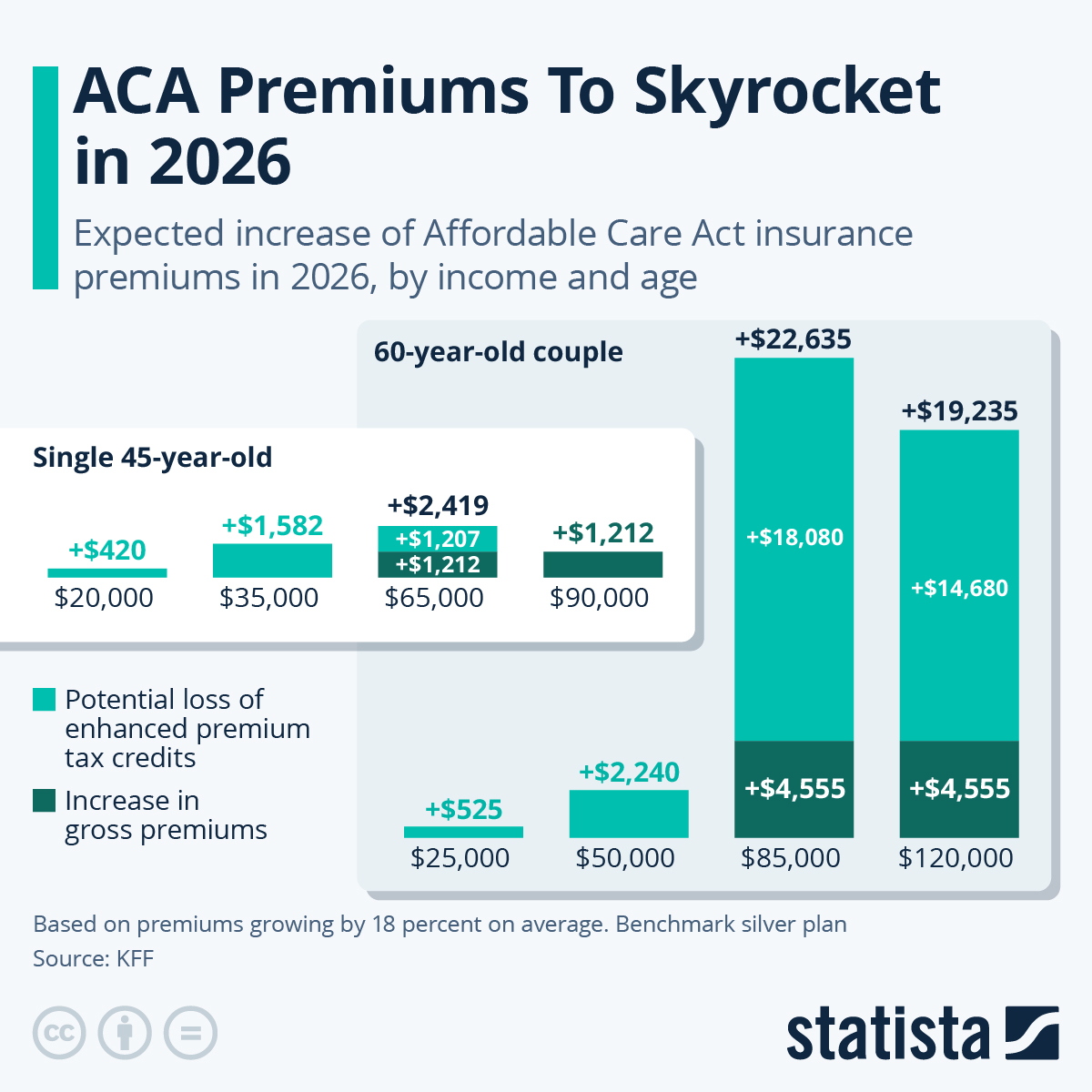
The Medical Insurance Marketplace Open Registration Period for plan year 2026 starts on November 1, 2025, and runs up until January 15, 2026. The average premium after tax credits is predicted to be $50 each month for the most affordable cost strategy in 2026 for eligible enrollees. This represents a $13 boost from 2025.
Why Seniors Should Benefit From Accident Insurance
Premium Price: Eligible enrollees continue to have robust access to low premium plans after using advance payments of the superior tax credit. Similar to 2025, on average, tax credits are projected to cover 91% of the most affordable cost strategy premium in 2026 for eligible enrollees. This compares to 85% in the 2020 protection year, which was the last coverage year not impacted by temporary COVID-19 pandemic policies.
While this represents a $13 boost from 2025, it stays $20 cheaper than the month-to-month premium after tax credits in 2020. In 2026, nearly 60% of eligible re-enrollees will have access to a plan in their picked health insurance category at or listed below $50 after tax credits. This compares to 83% of qualified enrollees in 2025 and 56% in 2020 with equivalent access.
The typical 2026 enrollee has in between 6 and 7 QHP issuers readily available. In 2026, 95% of enrollees have access to 3 or more QHP providers, compared to 96% in 2025 and 68% in 2020. In addition, less than 1% of 2026 enrollees have just one available QHP provider, which is the least expensive percentage in history.
In 2026, this will make HSA-eligible plans readily available to every customer in every county throughout the states that use This expands access to HSA-eligible strategies to a minimum of 1.6 million additional consumers. ###.
Vaccines are an important part of healthy aging and these guides can assist you understand which one's matter most:.
Preparing for Elderly Care in 2026
The Health Insurance Marketplace Open Registration Period for strategy year 2026 starts on November 1, 2025, and runs up until January 15, 2026. The typical premium after tax credits is forecasted to be $50 monthly for the lowest expense plan in 2026 for eligible enrollees. This represents a $13 boost from 2025.
Premium Price: Qualified enrollees continue to have robust access to low premium plans after applying advance payments of the superior tax credit. Comparable to 2025, on average, tax credits are projected to cover 91% of the lowest cost plan premium in 2026 for eligible enrollees. This compares to 85% in the 2020 protection year, which was the last coverage year not impacted by momentary COVID-19 pandemic policies.
While this represents a $13 increase from 2025, it remains $20 less costly than the regular monthly premium after tax credits in 2020. In 2026, almost 60% of qualified re-enrollees will have access to a strategy in their picked health plan classification at or listed below $50 after tax credits. This compares to 83% of qualified enrollees in 2025 and 56% in 2020 with equivalent gain access to.
The average 2026 enrollee has between 6 and 7 QHP providers readily available. In 2026, 95% of enrollees have access to 3 or more QHP providers, compared to 96% in 2025 and 68% in 2020. In addition, less than 1% of 2026 enrollees have just one readily available QHP provider, which is the most affordable percentage in history.
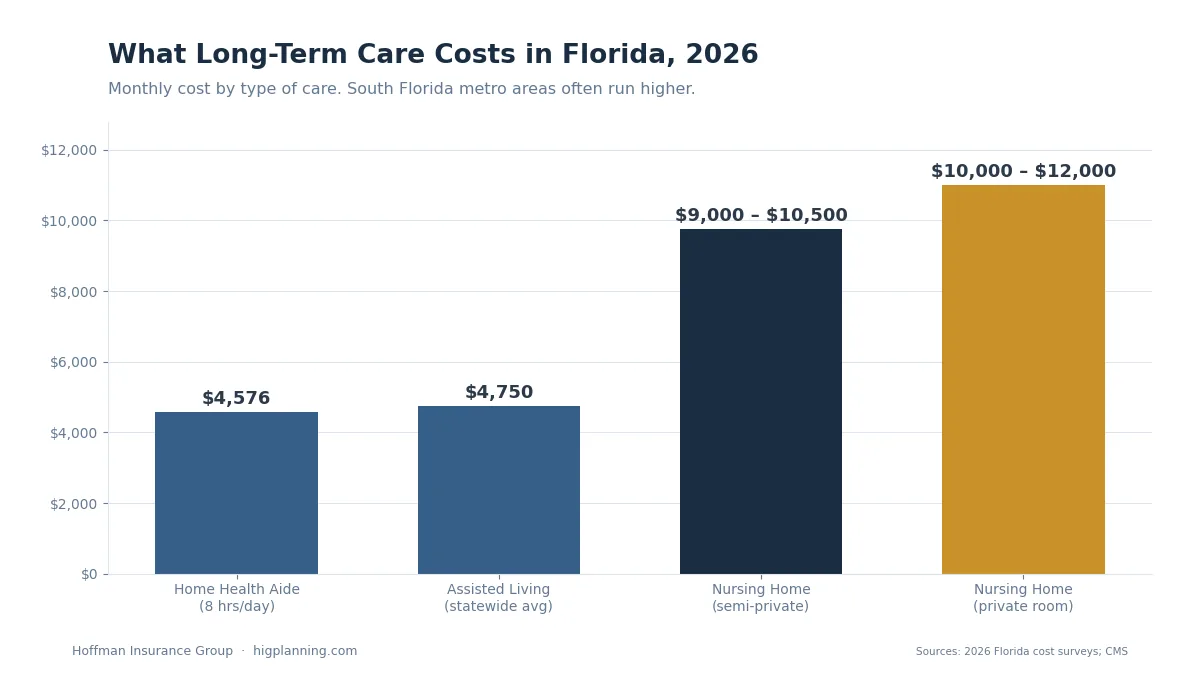
Funding 2026 Nursing Fees
In 2026, this will make HSA-eligible strategies readily available to every customer in every county across the states that use This expands access to HSA-eligible strategies to at least 1.6 million additional customers. ###.

Latest Posts
Fixed and Variable Annuity Plans

Retirement Income Planning With Life Insurance Strategies
Selecting Between Fixed Annuities for Retirement