All Categories
Featured

Financial Planning for Longevity in 2026
If you're unable to leave your home for medical or healing care, Medicare will pay for home health care services. Notably, Medicare will not cover 24-hour care. Long-term Care (LTC) Insurance coverage is created to cover long-term services and assistance not covered by traditional medical insurance or Medicare. It can consist of a range of advantages for individuals who need consistent medical attention and/or custodial care with daily activities like consuming, bathing, or mobility in facilities from assisted living to full-time, in- home custodial care to a private space in a nursing facility.
The cost of a long-lasting care policy is based upon age, preferred advantage amount and any additional benefits you choose to consist of. That's why it is essential to identify your long-term care requirements and level of security before it becomes an emergency. Considering long-term care is a cornerstone in any monetary strategy, and there are lots of alternatives to pick from based upon your financial scenario and needs.
It's much better to be overprepared and covered, than underprepared and financially ravaged.
Medicare does not cover your long-lasting nursing care or 24/7 at home services, nor does it pay for your custodial care which includes your day-to-day activities such as consuming, bathing, and dressing.
Estimating Upcoming LTC Costs
Why do lots of monetary advisors inform clients they can self-insure for long-lasting care but encourage them to buy supplemental coverage to Medicare? Lots of individuals genuinely want the security of insurance, yet their monetary consultant frequently recommends that self-insurance is preferable.
They consistently acquire Part D drug coverage, either matched with Medicare Advantage or a standard Medicare supplement. Financial advisors rarely encourage versus buying supplemental Medicare coverage. Only 6% of Medicare beneficiaries lack any extra coverage. 1 Existing research indicates that the typical Medicare Supplement premium is roughly $2,600 annually.
The typical claim payment is significantly less than $4,000 annually, according to Telos Actuarial. For 2026, there is a $2,100 cap on drug protection under Part D. If you do not believe me that the claim payments are little, take a look at the Description of Benefits that shows the claim payments from your Medicare Supplement or Part D drug strategy.
Think of needing to spend for caregivers for several years. Females who require care more than a year average 4.7 years. Guy who need care more than a year typical 3.8 years. (Society of Actuaries' Long-Term Care Experience Reports). The Alzheimer's Association will tell you Alzheimer's patients can quickly need care ten years or longer.
Some people preserve Medicare additional coverage since they mistakenly think Medicare will cover their long-term care expenditures. The newest study from Nationwide's Retirement Institute reports that 58% of U.S.
6 It functions as health insurance to assist individuals recovering people illness or health problem, but does however cover most in-home care, nursing home stays, or services at assisted living facilities.
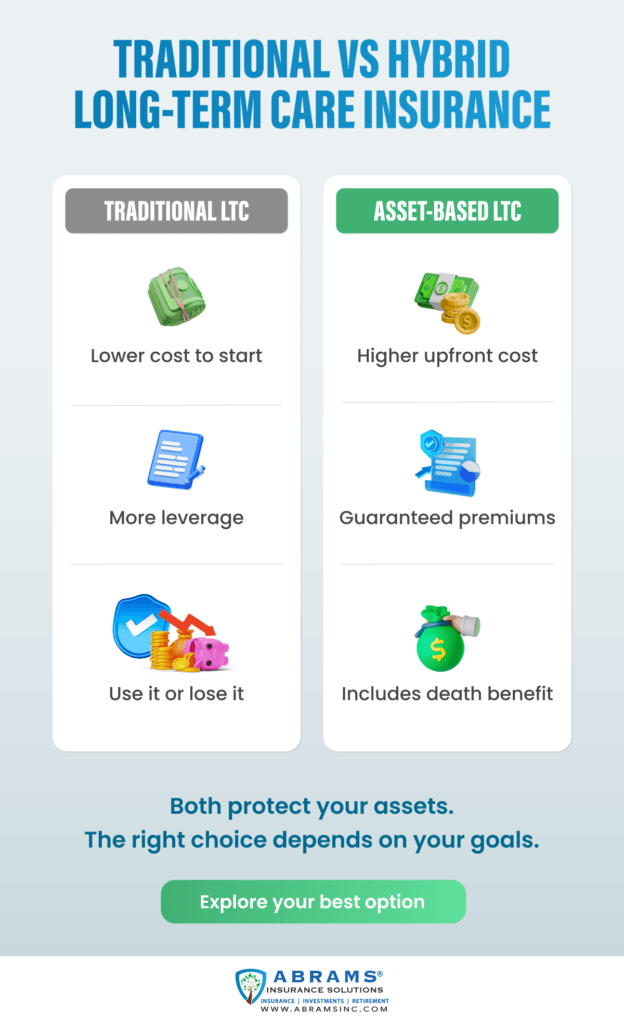
This brings us back to retirement savings. Suze Orman simply encouraged someone with $4 million in retirement savings NOT to self-insure for long-term care. Listen to Suze's suggestion below: The Center for Research Study at Boston College found that just 20% of retirees will not need long-lasting care, while another 20% are likely to experience a serious need.
After hours of tailoring a plan to a customer's spending plan, it can be weakened by a single e-mail from a monetary advisor. Long-Term Care insurance coverage offers you many more dollars in advantages vs.
Choosing the Best Annuity for Retirement
Ladies who require care more than a year typical 4.7 years. Male who need care more than a year typical 3.8 years.
5 If you thought there was just a 20% possibility your home would not be damaged, would you cancel your homeowner's insurance coverage? Some people preserve Medicare supplemental protection because they incorrectly believe Medicare will cover their long-term care costs. The most current study from Nationwide's Retirement Institute reports that 58% of U.S.
6 It works as medical insurance to help people recovering from health problem or injury, but does not cover most at home care, nursing home stays, or services at assisted living facilities. Plan G, the most popular Medicare supplement plan, covers 100% of Part B coinsurance and Part A deductibles/coinsurance after the annual Part B deductible ($283 in 2026) is paid.
This brings us back to retirement cost savings. Suze Orman just recommended somebody with $4 million in retirement cost savings NOT to self-insure for long-lasting care. Listen to Suze's suggestion below: The Center for Research Study at Boston College discovered that only 20% of senior citizens will not require long-term care, while another 20% are most likely to experience a severe need.
There are more alternatives available now than ever before. Nevertheless, after hours of tailoring a strategy to a customer's spending plan, it can be undermined by a single email from a financial consultant. Often, I fear their motivation is to retain possessions under management. Before taking the recommendations of a monetary advisor telling you to self-insure long-lasting care, please do 2 things: Send the advisor to my list of concerns here: Click this link for a no commitment assessment with a member of my professional and experienced group: You may extremely well be able to self-insure, but do you truly wish to? Long-Term Care insurance coverage offers you a lot more dollars in benefits vs.

Latest Posts
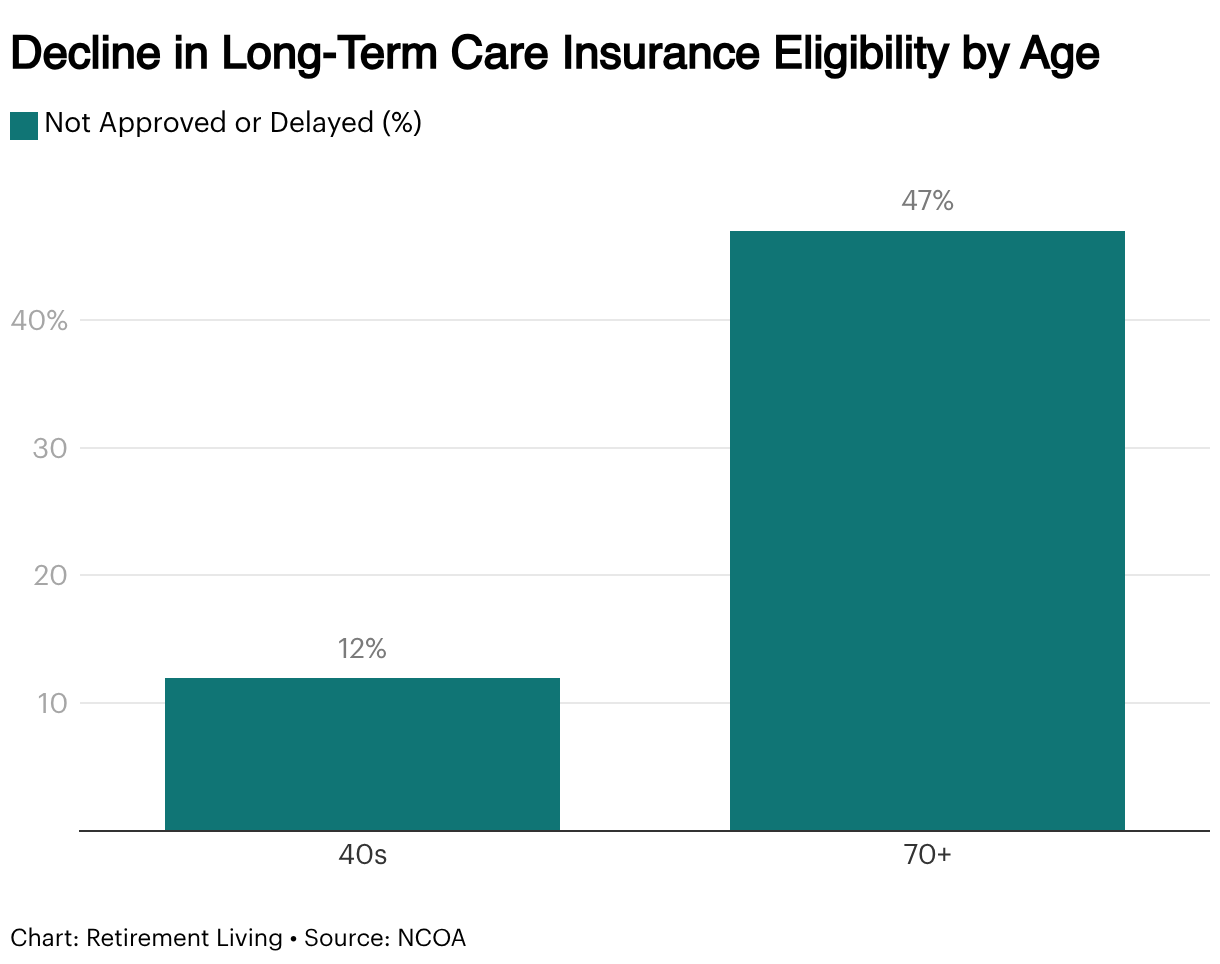
Navigating 2026 Long-Term Care Rates
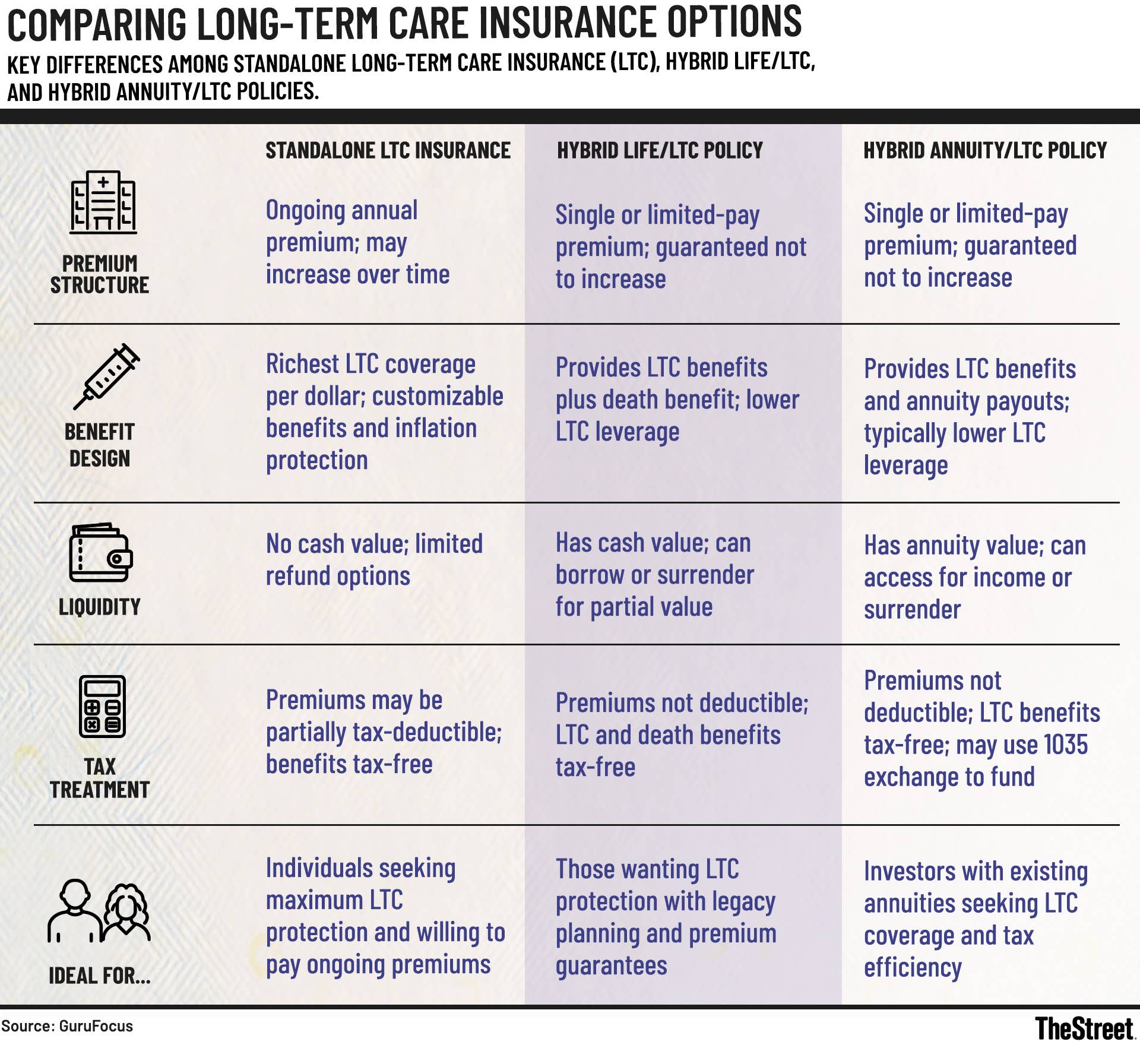
Comparing LTC Coverage Versus Medicare

Specialized Accident Insurance Policies