All Categories
Featured

Forecasting Long-Term Care Rates
Table of Contents
July 24, 2025 5The Federal Long Term Care Insurance Program. March 2025.
At age 60, long-lasting care insurance coverage costs generally vary from $1,200 to $3,700 per year When you turn 70, premiums increase significantly, normally varying from $2,075 to $6,600 each year As soon as you reach 75, costs ended up being steeper due to increased age-related danger, varying from $3,600 to $12,375 per year Long-term care impacts nearly every household.
And we're not just caregivers; we're future care recipients, too. According to the American Council of Life Insurers, almost 70% of people turning 65 today will Understanding what long-term care includes and its costs is vital for securing both your loved ones and your own future. In this short article, we will: Break down long-lasting care insurance costs by age Explore the top factors that influence long-lasting care insurance coverage costs Introduce how Always Finest Care Senior Solutions can support your senior loved one's needs The most significant barrier to buying long-lasting care insurance coverage, for both senior citizens and those preparing for retirement, is the expense of premiums.
Evaluating LTC Options Vs. Public Benefits
For, the cost generally falls between $1,200 and $2,175 per year., around $1,925 to $3,700 annually., a combined policy may range from $2,550 to $4,675 a year. At 60, you can anticipate to pay anywhere from $1,200 to $3,700 each year for long-lasting care insurance At 70, the expense of long-lasting care insurance coverage starts to increase quite a bit.
For couples, a joint policy might cost anywhere from $4,675 to $8,575 each year. While it's still possible to get excellent coverage at this age, it comes at a noticeably higher cost. By age 75, long-term care insurance coverage premiums end up being steep., yearly costs typically fall between $3,600 and $7,825, while can anticipate to pay $6,600 to $12,375.
Here's what really drives the cost. Like a lot of types of insurance coverage, your age plays a big role in how much you'll pay for long-term care coverage.
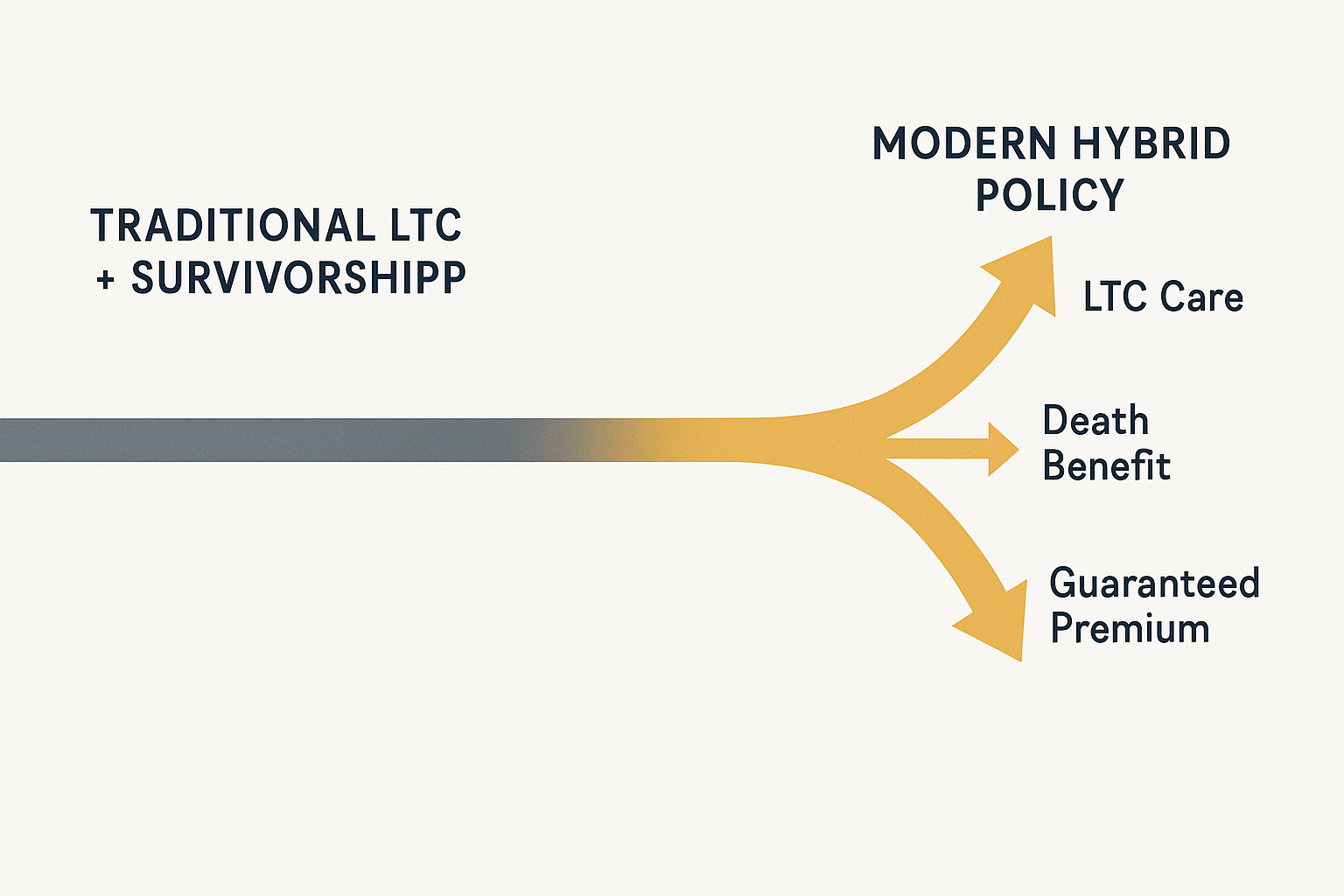
Benefits of Fixed and Variable Annuity Plans
A lot of professionals suggest acquiring in between ages 50 and 65, when rates are more economical, and your health profile is stronger. Your health plays a significant function in whether you get approved for long-lasting care insurance coverage and just how much you'll pay. Insurance companies typically ask about your case history, current conditions and medications and may also ask about your household's health background.
Women frequently pay more for long-lasting care insurance, as they tend to live longer than men, an edge partially connected to estrogen's role in reducing harmful cholesterol and securing versus heart problem. Where you live affects your premium due to the fact that insurers base rates on regional long-term care costs, which differ widely by region.
Common durations are Much shorter elimination periods cost more, as the insurance company starts paying quicker. Longer waiting periods lower your premium but increase your upfront monetary risk. Policies define an everyday optimum payout, typically ranging from. Greater everyday advantages indicate greater premiums. If your everyday limit is too low, you'll need to cover the deficiency expense.
Your policy might cover take care of a set variety of years or perhaps for life, but the longer the coverage, the higher the premium. Pick a benefit period that stabilizes your future needs with what you can manage. Inflation defense increases your payment gradually to keep up with increasing care expenses.
Reviewing LTC Options Against Public Benefits
"The most significant misunderstanding is that long-term care insurance coverage is constantly unaffordable or only required late in life. In truth, costs are often much lower when bought previously, while individuals are younger and healthier. Early preparation can lock in better premiums, supply more protection choices, and assist protect savings and household resources from the high expenditures of future care needs". Chief Operating Officer at Always Best Care Here are the key factors that affect just how much you'll pay There's no one-size-fits-all policy but following these steps can assist you make an educated option.
Consider your household's medical history and if there's a greater chance you'll require care down the roadway. While it's appealing to presume enjoyed ones will be there to assist, caregiving is frequently a significant psychological and financial stress.
Think of where you 'd wish to get assistance, in your home, in an nursing home, or in a nursing home, and try to find a policy that supports your preferences. Some plans may limit services or settings, so it's important to line up the policy with what you're more than likely to need.

Latest Posts
Ways to Finance LTC Health and Aging Costs

Funding Retirement LTC Expenses

Projecting 2026 Long-Term Care Costs